
A colonoscopy is a common and vital procedure for maintaining your digestive health, especially for detecting and preventing colorectal cancer. At GI North Texas, Dr. Kim and our team are committed to making your first colonoscopy experience as comfortable and informative as possible.
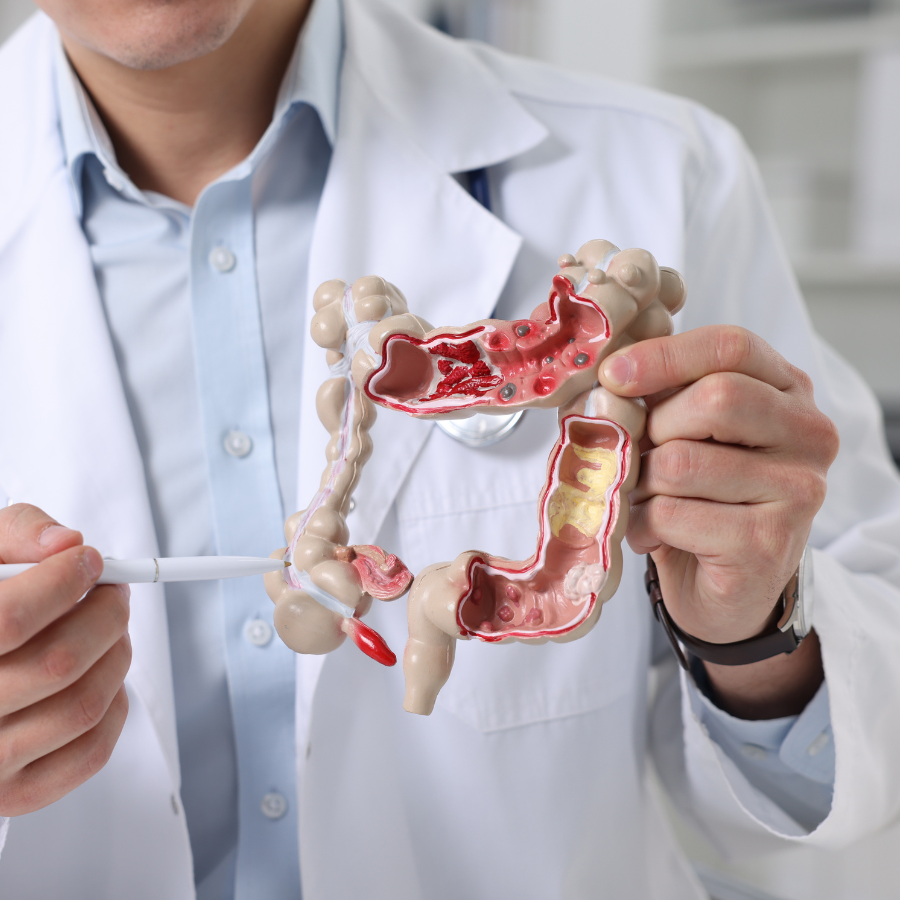
Why a Colonoscopy is Recommended
Dr. Kim often recommends a colonoscopy for several key reasons. First, it’s the most effective tool for colorectal cancer screening. It allows for the early detection of colon polyps (small growths that can become cancerous over time) and abnormal growths in the colon and rectum. Early detection significantly improves treatment outcomes and helps prevent progression to rectal cancer or colon cancer.
A colonoscopy may also be recommended, especially if you have a family history of colon cancer and experience symptoms such as changes in bowel habits, rectal bleeding, abdominal pain, or unexplained weight loss. This procedure helps diagnose conditions like inflammatory bowel disease (Crohn’s disease or ulcerative colitis) or diverticulosis.
Preparing for Your Colorectal Cancer Screening
Preparation is the most crucial part of your colonoscopy, as it ensures Dr. Kim has a clear view of your colon. You will receive detailed instructions, but this generally includes:
Dietary Adjustments: You’ll need to follow a clear liquid diet for typically one day before your procedure, avoiding solid foods. This improves visibility throughout the entire length of the large intestine.
Bowel Preparation Solution: You’ll drink a special solution designed to clean out your colon. As a note, this will cause frequent bowel movements. It’s essential to complete the solution as directed, even if you feel you’re already “clean.†In most instances, this step is essential to detect even small polyps or tissue samples that could indicate a positive result.
Medication Review: You will need to inform Dr. Kim about all medications you take, especially blood thinners, pain medication, or treatments for high blood pressure, as some may need to be adjusted or temporarily stopped before the procedure. The National Institute of Diabetes and Digestive and Kidney Diseases and other authorities stress the importance of reviewing your history of kidney diseases or previous colonoscopy results if applicable.
Our team at GI North Texas will provide comprehensive, easy-to-understand instructions and be available to answer any questions you have during this stage.
What Happens During the Day of the Procedure
On the day of the procedure at our Anna, Sherman, or McKinney location, you’ll be made comfortable. You’ll receive conscious sedation or general anesthesia to ensure you’re relaxed and pain-free throughout the colonoscopy.
Dr. Kim will gently insert a long flexible tube, also called a thin tube or colonoscope, into your rectum. This scope has a tiny camera and a light, allowing Dr. Kim to view the entire length of your colon on a video monitor. Air may be gently inflated into your colon to help provide a clearer view. The procedure typically takes between about an hour and about two hours, depending on findings.
Understanding Polyp Removal
One of the significant advantages of a colonoscopy is the ability to remove polyps during the same procedure. If Dr. Kim identifies any polyps, even very small polyps, they will be removed immediately (this is done through tiny tools passed through the colonoscope). This process, called a polypectomy, is painless. The polyps removed are then sent to a lab for examination to determine if they are cancerous or pre-cancerous. In most instances, this early intervention is key to preventing colorectal cancer and supporting regular screenings.
Your First Colonoscopy Recovery and Post-Procedure Care
After your colonoscopy, you’ll be monitored in a recovery room at our facility until the sedation wears off. You might feel some bloating or pass gas as the air introduced during the procedure escapes. This is normal and will subside.
You must have a family member or someone else available to drive you home, as the effects of sedation can linger. For the rest of the day, it’s advised to rest and avoid making important decisions or engaging in strenuous activities. Dr. Kim will discuss initial findings with you and provide specific post-procedure instructions, including when you can resume your normal diet and activities. You’ll also be informed about when to expect your colonoscopy results and whether you’ll need a follow up colonoscopy sooner or your next colonoscopy schedule.